
Allergy-prone spaces need more than an occasional surface clean. Dust mites, pollen, pet dander and mould spores can collect in carpets, soft furnishings, bedding and poorly ventilated rooms. Choosing appropriate cleaning methods and products can help reduce the build-up of these common indoor allergens.
For UK homes, rental properties, offices and shared buildings, a consistent cleaning routine is often more useful than relying on strong chemicals or heavily scented products.
In this guide, we explore six practical cleaning solutions for allergy-prone spaces, explain where each one works best and share tips for maintaining cleaner indoor environments.
Why Is Cleaning Important in Allergy-Prone Spaces?
Indoor allergens can collect on surfaces, circulate through the air and become disturbed during everyday activities. House dust mites commonly live in bedding and soft furnishings, while damp conditions can encourage mould growth. Pet dander and pollen may also enter or accumulate inside buildings.
Effective cleaning helps remove dust and debris, while suitable ventilation and moisture control can help address some of the conditions that allow allergens to build up.
However, cleaning cannot guarantee an allergen-free environment. The most suitable approach depends on the specific allergen, the property and the needs of the people using the space.
Top 6 Cleaning Solutions for Allergy-Prone Spaces
1. HEPA-Filter Vacuum Cleaning
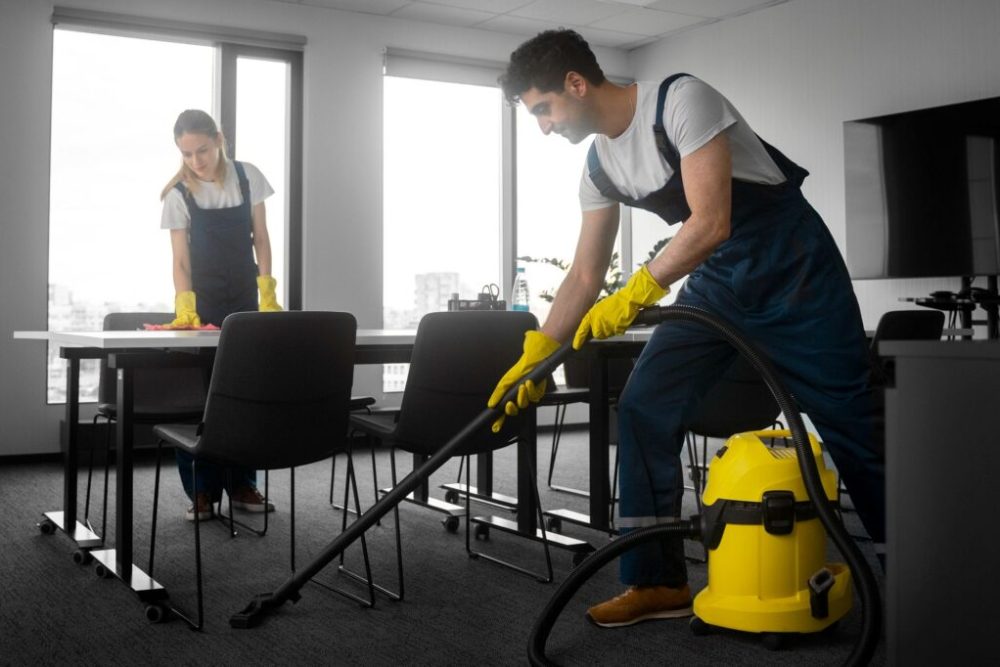
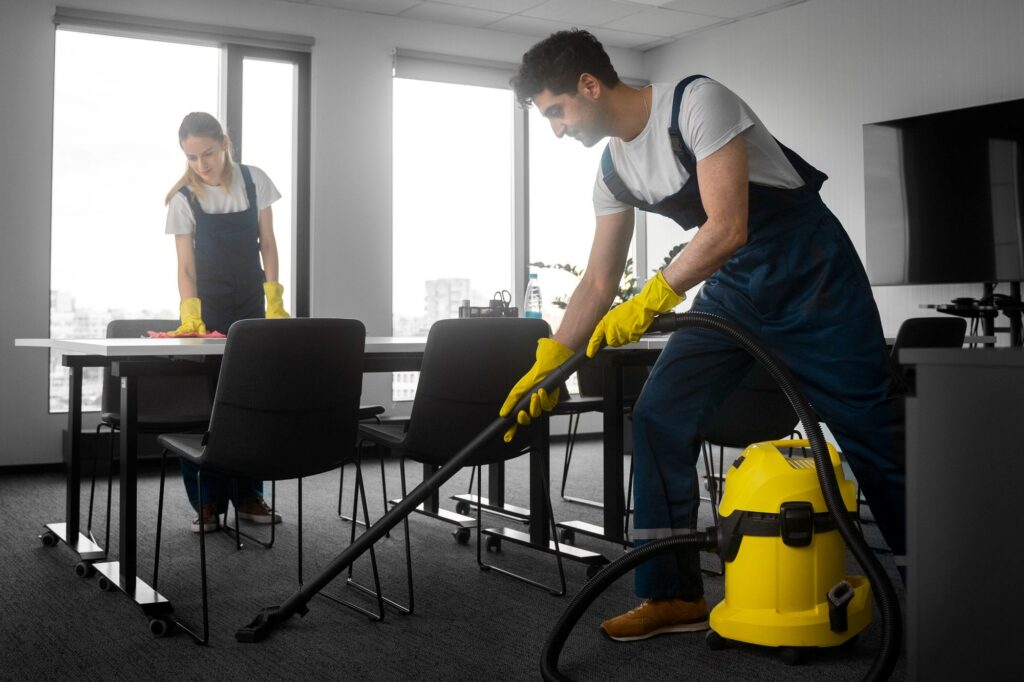
A vacuum cleaner with effective high-efficiency filtration, such as a suitable HEPA-filter model, can help capture fine particles rather than releasing them back into the room.
This method is particularly useful for:
- Carpets and rugs
- Sofas and upholstered chairs
- Mattresses, where appropriate
- Curtains and fabric furnishings
- Edges, corners and other dust-collecting areas
For better results, vacuum regularly and maintain the equipment according to the manufacturer’s instructions. Replace or clean filters as recommended, and empty the machine carefully to minimise dust exposure.
Where possible, someone who is not sensitive to dust should do the vacuuming. People who experience symptoms during cleaning may prefer to leave the room until airborne dust has settled.
2. Damp Dusting and Microfibre Cleaning
Dry dusting can move particles around instead of removing them. Damp dusting with a clean microfibre cloth helps collect dust from surfaces before it spreads through the room.
Focus on areas that are often overlooked, including:
- Window sills and frames
- Shelves and cupboard tops
- Skirting boards
- Desk surfaces and workstations
- Light fittings and accessible ledges
Use a clean cloth and an appropriate surface-safe product when necessary. Avoid leaving surfaces excessively wet, especially around wood, electrical equipment or materials that may be damaged by moisture.
Damp dusting is a simple, practical part of a regular cleaning plan for both residential and commercial spaces.
3. Fragrance-Free and Lower-Irritant Cleaning Products
A strong fragrance does not mean a cleaning product works better. Perfumes, aerosols and some chemical ingredients can irritate sensitive skin or airways in certain people.
For allergy-prone spaces, consider products that are fragrance-free and suitable for the surface being cleaned. Check the ingredient information and product label, and look for credible allergy-related certifications where relevant.
Good practice includes:
- Choosing fragrance-free products where appropriate
- Using only the recommended quantity
- Avoiding unnecessary air fresheners and scented sprays
- Ventilating rooms during and after cleaning
- Wearing suitable protective equipment when the product label requires it
Remember that “natural”, “green” or “hypoallergenic” wording does not automatically mean a product is suitable for every person. Always follow the manufacturer’s directions, and never mix cleaning chemicals.
4. Deep Cleaning Carpets and Upholstery
Carpets, rugs, mattresses and upholstered furniture can trap dust, pollen, skin flakes and pet dander. Routine vacuuming is important, but some materials may also benefit from periodic deeper cleaning.
Depending on the fabric and the level of soiling, professional cleaning may involve suitable extraction methods or other manufacturer-approved techniques.
Before cleaning, consider the material, colourfastness, care instructions and drying requirements. Excess moisture can create additional problems if carpets or upholstery are not dried properly.
For allergy-prone properties, a sensible plan combines routine high-filtration vacuuming with occasional specialist cleaning where needed. Avoid applying allergen-control sprays or treatments without checking their suitability for the occupants and the material.
5. Bathroom and Kitchen Cleaning With Moisture Control
Bathrooms, kitchens and utility rooms need particular attention because moisture can contribute to mould growth when ventilation is inadequate.
A practical cleaning routine should include:
- Cleaning sinks, taps, tiles and worktops
- Removing soap residue and visible dirt
- Cleaning accessible areas where condensation collects
- Using extractor fans and suitable ventilation
- Reporting leaks and investigating recurring damp patches
Cleaning visible mould from an appropriate, washable surface may help with a small, manageable problem, but cleaning alone will not solve the underlying cause of persistent dampness. Larger areas of mould, recurring growth or suspected structural moisture problems may require professional assessment.
Never dry-brush mould or use chemicals in a way that spreads spores or creates harmful fumes. Follow the product label and relevant safety advice.
6. Targeted Cleaning of Bedrooms and Frequently Used Areas
Bedrooms and living rooms deserve particular attention because people spend substantial time in these spaces. Bedding, mattresses, curtains, cushions and upholstered furniture can all collect dust and other allergens.
Useful steps include:
- Washing bedding regularly, following fabric care instructions
- Using suitable allergen-barrier covers for mattresses and pillows if recommended
- Vacuuming carpets and soft furnishings with appropriate equipment
- Washing curtains and removable covers when suitable
- Reducing clutter that makes surfaces difficult to clean
- Keeping rooms ventilated and addressing excess humidity
Prioritise areas based on the occupants’ needs. For example, a household concerned about dust mites may focus on bedrooms and bedding, while a property affected by pet dander may need extra attention to upholstery and floors.
How to Choose a Professional Cleaning Service for Allergy-Prone Spaces
If you are hiring a cleaning company, ask about its cleaning methods rather than assuming that every service includes specialist allergen-reduction measures.
Before booking, consider these questions:
- What equipment do you use? Ask whether the cleaner uses suitable high-filtration vacuum equipment and appropriate tools for soft furnishings.
- Which cleaning products are used? Explain any fragrance sensitivities or known product triggers and ask whether suitable alternatives are available.
- How do you manage moisture? This is particularly important for bathrooms, kitchens, carpets and upholstery.
- Can the service be tailored to the property? A home, office, communal hallway and rental property may need different cleaning priorities.
- What is included in the quotation? Confirm whether carpet or upholstery cleaning, detailed dusting and other specialist tasks are included or charged separately.
A professional cleaning service can help maintain cleaner surroundings, but it should not promise to eliminate every allergen or replace medical advice.
A Simple Cleaning Routine for Allergy-Prone Properties
A regular schedule can make cleaning easier to manage.
Weekly Tasks
- Vacuum floors and suitable soft furnishings.
- Damp-dust frequently used rooms and surfaces.
- Clean kitchens, bathrooms and other high-use areas.
- Wash bedding and removable fabrics as required by their care instructions.
Monthly or as Needed
- Clean accessible areas that are often overlooked.
- Review curtains, upholstery and other dust-collecting materials.
- Check for condensation, leaks and signs of mould.
- Arrange deeper cleaning where the property and materials require it.
The ideal frequency depends on the property’s use, the materials present and the occupants’ sensitivities. Homes with pets, busy commercial premises and shared buildings may need more frequent attention in selected areas.
Professional Cleaning Support From Top Edge Cleaning
Maintaining a cleaner environment involves the right methods, suitable products and a consistent routine. For allergy-prone spaces, this may include high-filtration vacuuming, careful dust removal, targeted cleaning of soft furnishings and attention to damp-prone areas.
Top Edge Cleaning provides cleaning services for residential and commercial properties. If you need help maintaining your property, explore our residential cleaning services, specialist cleaning services and deep cleaning services.
Contact the team on 0191 743 9926 to discuss your property, your cleaning priorities and the service that best suits your needs.
Frequently Asked Questions
What is the best cleaning method for allergy-prone spaces?
There is no single best method for every allergen. A combination of suitable high-filtration vacuuming, damp dusting, regular fabric cleaning and good ventilation can help reduce common indoor allergens.
Are fragrance-free cleaning products better for allergy sufferers?
Fragrance-free products may be a useful choice for people who are sensitive to perfumes or scented sprays. However, individual sensitivities differ, so check product ingredients and follow the label.
Does professional deep cleaning remove all allergens?
No. Deep cleaning can remove accumulated dirt and some allergens from suitable surfaces, but it cannot guarantee an allergen-free space. Ongoing cleaning and attention to moisture and ventilation are also important.
How often should an allergy-prone home be cleaned?
Frequently used rooms and dust-collecting surfaces generally benefit from regular cleaning, often weekly. The best schedule depends on the property, its occupants, pets and the allergens of concern.
Can cleaning prevent mould from returning?
Cleaning may remove visible mould from some surfaces, but mould can return if the source of moisture remains. Persistent dampness, leaks or recurring mould need investigation and appropriate remedial work.
Should people with allergies stay in the room while it is being cleaned?
People who are sensitive to dust, fumes or cleaning products may prefer to leave the room during cleaning and until it has been adequately ventilated. Follow relevant product instructions and seek professional medical advice for individual concerns.
Final Thoughts
The most useful cleaning solutions for allergy-prone spaces focus on removing dust, choosing suitable products, cleaning fabrics carefully and managing indoor moisture. A consistent routine can help maintain cleaner homes and workplaces without relying on unnecessary fragrances or harsh chemicals.
For properties that need additional support, a professional cleaning assessment can help identify practical priorities and a suitable cleaning schedule.
Further reading: UK Health Security Agency guidance on indoor airborne allergens, NHS inform advice on preventing allergy symptoms, and Allergy UK guidance on house dust mite allergy.