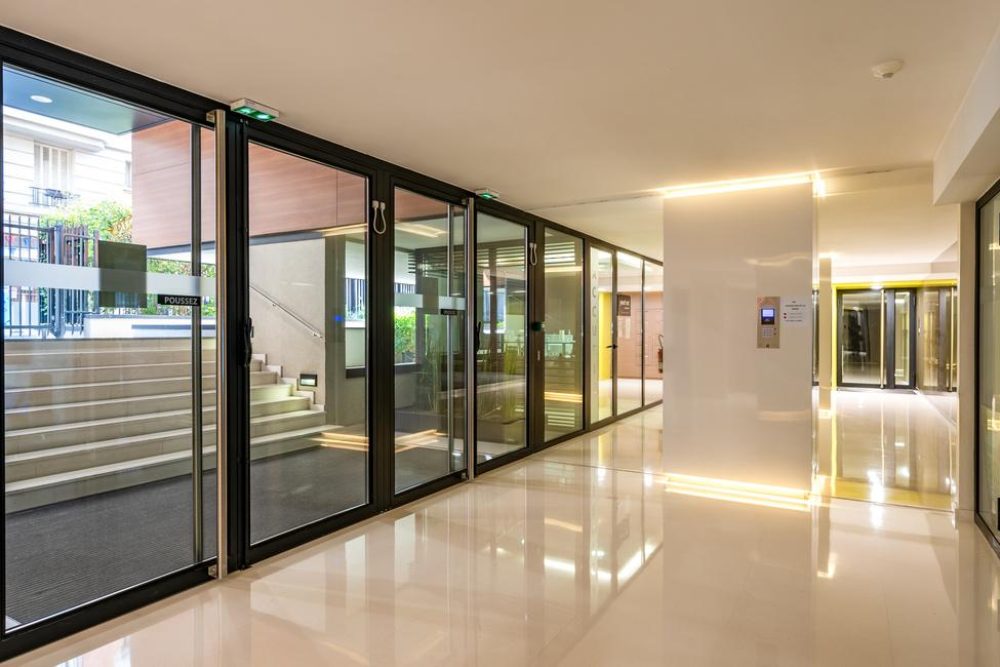

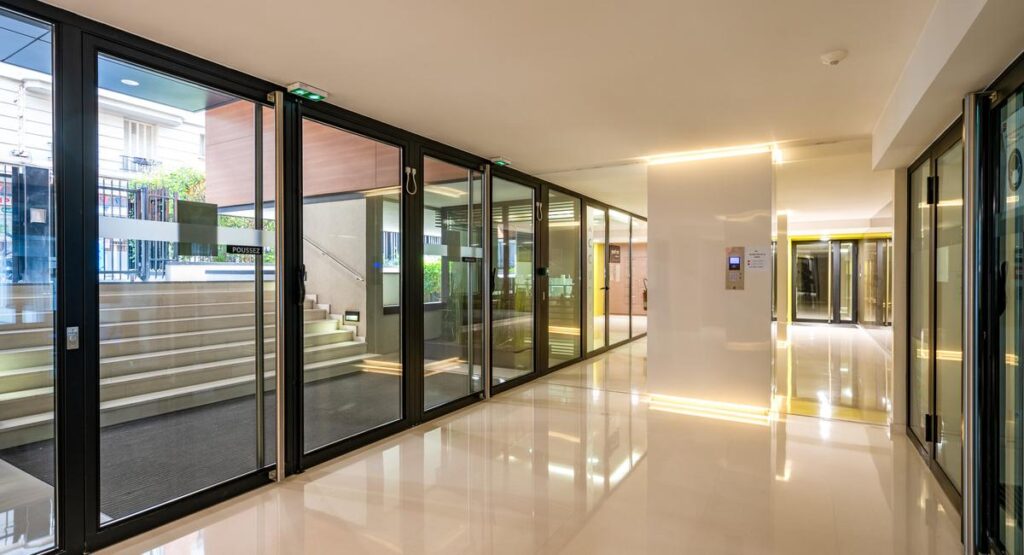
For landlords, letting agents, and property managers, having a clear communal block cleaning routine makes it simpler to maintain shared spaces, respond to residents’ concerns, and protect the long-term presentation of the building.
Whether you manage a converted townhouse with a few flats or a purpose-built residential development, this practical checklist explains what to clean, how often to review different areas, and what to consider when arranging professional communal cleaning services.
What Is Communal Block Cleaning?
Communal block cleaning involves maintaining the shared spaces within residential apartment buildings, blocks of flats, and managed residential developments. Unlike domestic cleaning inside an individual home, this service focuses exclusively on areas used by multiple residents and visitors.
Key shared areas typically include:
- Entrance halls and reception lobbies
- Shared corridors and landings
- Staircases, handrails, and balustrades
- Lifts and lift interiors
- Shared floor coverings (carpets, vinyl, tile, and stone)
- Internal communal windows and glass entrance doors
- Shared door handles, push plates, and touchpoints
- Bin storage areas and refuse rooms (where specified)
The exact cleaning requirements depend on the building’s layout, occupancy rate, facilities, and overall condition. A clear, agreed schedule ensures that high-traffic zones receive frequent, reliable care.
Why Is Regular Communal Area Cleaning Important?
1. Create a Positive First Impression
The entrance of a residential building sets the tone for residents, visitors, and prospective tenants. Dirty entrance mats, scuffed skirting boards, and marked glass can make an otherwise quality building look neglected. Regular cleaning elevates kerb appeal and supports higher tenant retention and property values.
2. Protect Flooring and Shared Surfaces
Communal areas endure heavy daily footfall. Grit, mud, rainwater, and street debris carried in from outside act like sandpaper on carpets and hard flooring. Consistent vacuuming and mopping prevent abrasive grit from damaging expensive floor coverings, extending their lifespan and saving on costly replacements.
3. Maintain High Hygiene Standards
Shared touchpoints—including entrance door handles, lift buttons, intercom systems, and stair handrails—are touched by dozens of people daily. Regular sanitisation of these surfaces with appropriate cleaning solutions helps maintain a clean, hygienic environment for all residents.
4. Reduce Tenant Complaints and Fire Risks
Visible dirt, scuffs, overflowing refuse, and lingering smells are among the most common causes of tenant dissatisfaction in managed blocks. Furthermore, keeping corridors and stairwells clear of rubbish, debris, and cleaning equipment is vital for maintaining unobstructed fire escape routes and meeting health and safety regulations.
The Communal Block Cleaning Checklist
Use this structured checklist to ensure all key zones are consistently maintained:
1. Entrance Halls and Reception Areas
As the primary transition zone from outside, the entrance collects the highest concentration of dirt and moisture.
- Vacuum entrance matting and runners thoroughly
- Sweep and mop suitable hard flooring
- Clean internal glass doors, vision panels, and push plates
- Dust accessible surfaces, letterboxes, and noticeboards
- Wipe down main entrance intercoms and door handles
- Check for and remove visible litter, cobwebs, or seasonal debris
2. Shared Corridors and Landings
Corridors connect residents directly to their front doors and require consistent upkeep.
- Vacuum carpeted corridors wall-to-wall, paying attention to edges
- Sweep and damp-mop hard flooring using appropriate neutral floor cleaners
- Dust skirting boards, window sills, and heating radiator covers
- Spot-clean marks off accessible walls and doors where practical
- Sanitise shared touchpoints and light switches
- Check for trip hazards, loose carpet joins, or maintenance issues (e.g., blown hallway bulbs)
3. Staircases and Handrails
Stairwells accumulate dust, hair, and grit quickly and demand careful safety management.
- Vacuum or sweep stair treads, risers, and half-landings
- Mop hard-surface steps using appropriate slip-resistant techniques
- Wipe down handrails, banisters, and balustrades with disinfectant wipes/cloths
- Remove cobwebs from corners and ceiling angles
- Ensure stairways and emergency exit routes remain completely clear of obstructions
4. Lifts and Lift Lobbies
Lifts are compact, high-use spaces that show fingerprints and smudges immediately.
- Sweep, vacuum, and mop lift flooring
- Sanitise internal lift buttons and external call pads
- Wipe down internal wall panels, handrails, and mirrors
- Clean lift door tracks to prevent debris accumulation and door jamming
- Remove smudges and fingerprints from stainless steel or painted surfaces
5. Shared Windows and Internal Glazing
Natural light enhances communal spaces, but dirty glass quickly looks unsightly.
- Clean internal communal window panes and entrance sidelights
- Wipe down accessible window ledges and frames
- Remove smudges, fingerprints, and nose-prints from internal glass dividers
- Flag high-level external windows that require specialist reach-and-wash contractors
6. Bin Storage and Refuse Areas
Bin stores can rapidly become unhygienic and attract pests if not properly monitored.
- Sweep surrounding floors and remove loose rubbish or discarded items
- Wipe down bin handles, door latches, and light switches
- Check for spills, residues, or persistent odours requiring sanitisation
- Promptly report overflowing council bins, fly-tipping, or signs of pest activity to property management
How Often Should Communal Areas Be Cleaned?
There is no one-size-fits-all cleaning frequency. The ideal schedule depends on building size, resident count, pet occupancy, and external ground conditions.
| Area | High-Occupancy Blocks (15+ Flats) | Smaller Blocks (Under 10 Flats) |
|---|---|---|
| Entrance Lobbies | Daily or 3–4 times weekly | 1–2 times weekly |
| Corridors & Landings | 2–3 times weekly | Weekly or fortnightly |
| Staircases & Handrails | 2 times weekly | Weekly |
| Lifts & Buttons | Daily or 3 times weekly | Weekly (if fitted) |
| Internal Glass & Mirrors | Weekly | Fortnightly |
| Bin Store Sweeping | Weekly | Fortnightly / Monthly |
Note: Smaller developments with fewer residents and low foot traffic often maintain excellent standards with a weekly or fortnightly service, whereas large residential blocks with dozens of apartments benefit from scheduled multi-day visits.
Key Considerations When Arranging a Cleaning Contractor
When selecting a cleaning company for your block, ensure they meet these core standards:
- Clear Scope of Work: The contract should include a detailed, itemised checklist tailored to your building’s layout.
- Health & Safety Compliance: Cleaners must carry COSHH safety data sheets for all cleaning agents, display warning signage when mopping, and respect fire escape routes.
- Insurance & Vetting: Confirm the company carries comprehensive public liability insurance (typically £2m+) and employs vetted, DBS-checked operatives.
- Reliable Communication: Operatives should act as extra “eyes on the ground,” alerting property managers to broken lights, water leaks, or security issues during their visits.
Professional Communal Area Cleaning in Newcastle upon Tyne
If you manage a block of flats, converted building, or residential development in Newcastle upon Tyne, Top Edge Cleaning provides reliable, flexible communal area cleaning services.
From weekly vacuuming and floor care to handrail sanitisation and bin store maintenance, our vetted, DBS-checked operatives keep your shared spaces welcoming, safe, and spotless.
To discuss a tailored cleaning schedule for your building or request a competitive quote, visit our Communal Area Maintenance page or contact our friendly local team today.
Frequently Asked Questions
What is included in communal block cleaning?
Communal block cleaning covers the upkeep of shared spaces in residential buildings, including entrance halls, staircases, corridors, lifts, communal windows, and refuse areas. Specific tasks include floor vacuuming and mopping, handrail sanitisation, dusting, glass polishing, and bin area sweeping.
How often should communal areas in flats be cleaned?
Frequency depends on building size and foot traffic. High-occupancy blocks often require cleaning 2 to 4 times per week, while smaller developments with fewer units are typically serviced on a weekly or fortnightly schedule.
Who is responsible for arranging communal cleaning in a residential block?
Communal cleaning is typically organised by the landlord, managing agent, freeholder, or Resident Management Company (RMC), with costs covered through the property’s shared service charge.
Do cleaners report maintenance and safety issues?
Yes. Professional communal cleaners frequently inspect shared spaces during visits and will report maintenance concerns—such as blown hallway lightbulbs, damaged flooring, water leaks, or fire escape obstructions—directly to property managers.